Meta is pushing a new personal AI agent called Muse, moving it from a chatbot that waits for questions into a “digital friend” users choose to check in with on their own. According to TechCrunch, Muse’s early adoption is reportedly outpacing ChatGPT’s early numbers. The metric that matters here isn’t how well it answers, but whether it gives people a reason to keep opening the app every day.
Notably, Meta revealed this push during a fiercely competitive week in AI: Anthropic shipped Opus 5.5, and OpenAI followed with a GPT-6 update less than two hours later. Yet Meta’s consumer AI strategy is what stole the spotlight that week.
Who Is Muse: The Real AI Behind the “AI Tamagotchi” Label
Muse is the personal AI agent Meta is building, positioned as a daily conversation partner rather than a search-and-answer tool. Its core pitch is continuity — the system remembers what was discussed before and carries that context into the next conversation instead of starting from scratch every time.
TechCrunch reports that Muse’s early usage is growing faster than ChatGPT did at launch. No official user numbers have been disclosed, but the traction appears strong enough for Meta to push the assistant into new hardware.
From Chats That End at the Answer to a Friend Worth Returning To
The problem with ordinary chatbots is that the relationship usually ends the moment an answer is given: the user asks, gets a reply, closes the screen, and has no reason to come back. Muse tries to fix this by carrying context across sessions, so opening the app again feels like continuing a conversation with someone familiar rather than starting over with a system that remembers nothing.
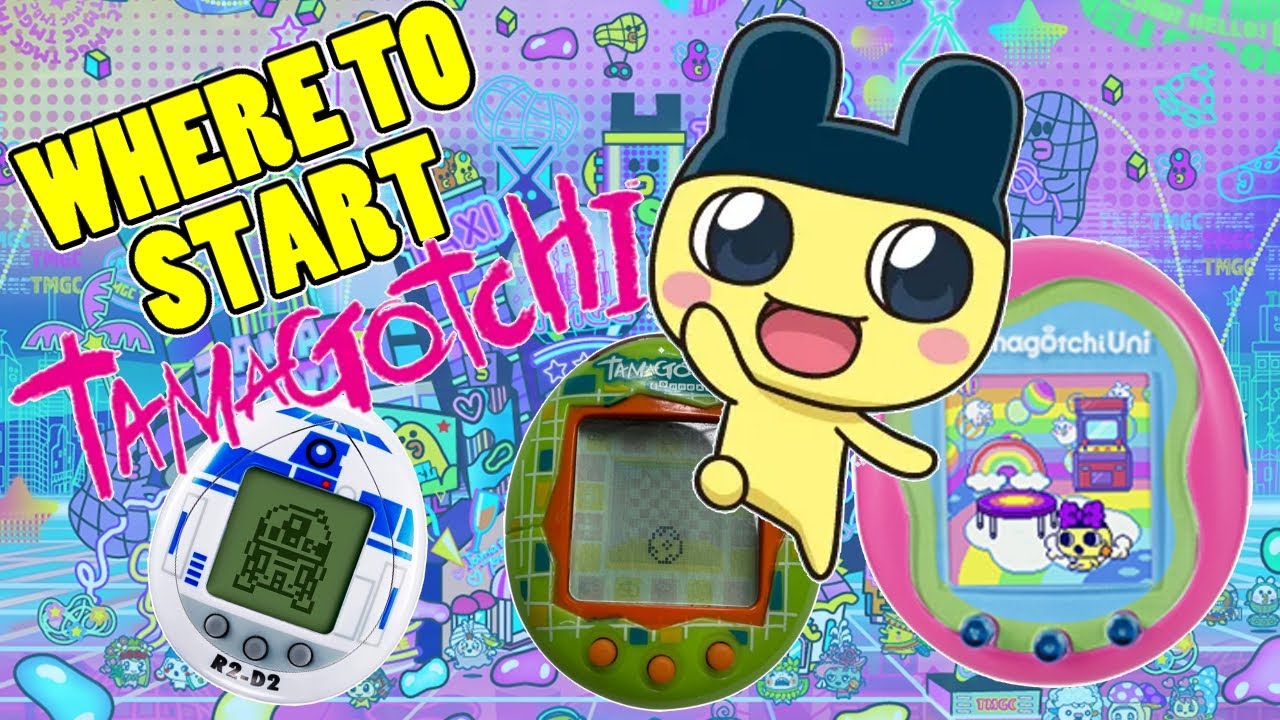
That continuity is the point behind the “Tamagotchi” nickname — the goal isn’t just to answer correctly, but to make users feel there’s something waiting for them to check in on.
Smart Glasses and a Tamagotchi-Style Device: Giving the AI a Body You Carry
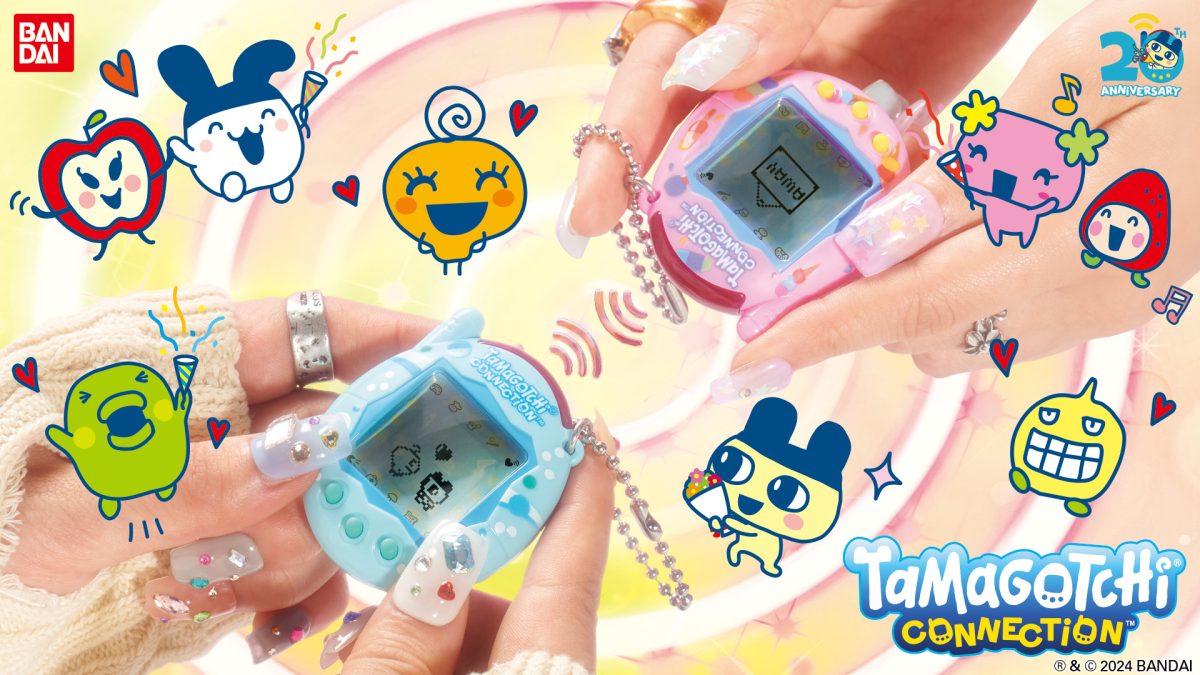
Beyond the phone app, Meta is reportedly planning to extend Muse to at least two hardware forms: the existing Ray-Ban Meta smart glasses lineup, and a small, dedicated Tamagotchi-style device built specifically for this AI, according to TechCrunch.
Dedicated hardware frees the AI from being tied to a phone screen — it becomes something carried around and glanced at often enough to turn into a habit. It’s the same strategy that made the original ’90s Tamagotchi toys work: making users feel attached enough to keep checking back in.
What the Earlier Meta AI Could Do, and What Muse Changes
| Factor | Earlier Meta AI | Muse |
|---|---|---|
| Memory | Limited to a single conversation | Builds on prior conversations |
| How Usage Begins | User has to type or ask first | Initiates chat or appears based on context |
| Where It Lives | Confined to the chat app | Extends to smart glasses and dedicated hardware |
| Primary Goal | Answer correctly | Give users a reason to return daily |
The clearest shift is scope. Where the earlier assistant was confined to a chat window, Muse is designed to follow users much further than that — and that’s the part of the bet Meta is staking the most on.
When the Tamagotchi Concept Has to Prove Itself in Real Life
Remembering context is genuinely useful when it lets conversations continue without re-explaining everything. But if Muse leans on that memory to demand attention too often, the sense of attachment can just as easily curdle into annoyance.
The dedicated hardware faces its own test: it has to justify being carried at all. However interesting the concept, if users have to carry an extra device without a clear benefit over the phone app they already have, changing behavior gets hard. Frankly, Muse’s success so far is measured by launch-week adoption numbers, not by proof that it lasts.
How Muse Stacks Up Against Rivals in the Personal AI Assistant Market
| Factor | Muse | ChatGPT | Mobile Voice Assistants |
|---|---|---|---|
| Continuity | Remembers context across sessions | Remembers to a degree, depending on settings | Focuses on the task at hand |
| Accessibility | Tied to Meta's ecosystem and dedicated hardware | Available across multiple platforms | Built into the phone's operating system |
| Motivation to Return | Built for daily attachment | Return when there's a new question | Return when there's a task |
The clearest difference is intent. ChatGPT and most voice assistants are still built to handle tasks, while Muse is designed to be a relationship from the outset — a bet that pays off big if it works, but carries real risk if users feel it’s designed to hold their attention rather than genuinely help.
Strengths That Could Make This Bet Work, and Risks That Remain Unanswered
Pros
- +Early adoption is reportedly outpacing ChatGPT's launch numbers, per TechCrunch
- +Extends to hardware Meta already ships, like its smart glasses, widening reach
Cons
- −The Tamagotchi-style device is entirely new — there's no data yet on whether users will actually carry it
- −Attachment built on frequent notifications can turn into annoyance and raises questions about how conversation data is handled
The Hidden Cost of Turning AI Into Something You Maintain Every Day
Muse’s real cost doesn’t end with a device price or subscription fee. It includes the time users spend chatting, shaping its personality, and responding to notifications so the system feels tended to. The longer it’s used, the more conversation and behavioral data gets shared with it.
Another risk is getting too tied into Meta’s ecosystem. If the Tamagotchi-style device only works with Muse, switching to a different AI assistant later won’t be simple — the accumulated conversation history and contextual understanding stays locked to one platform.
The Final Question: Is Meta Building a Real AI Friend, or Just a Habit of Reopening Its Apps?
The answer isn’t about how well Muse can converse, but whether users return because they get real value or because the system keeps demanding attention. Early adoption numbers that beat ChatGPT only show people were curious enough to try it — not that they’ll stay.
If Muse genuinely helps manage daily life without making users feel watched, this bet could become a long-term habit. But if all that’s left is notifications and a cute new device, it may be just another trend waiting to fade like the AI fads before it.